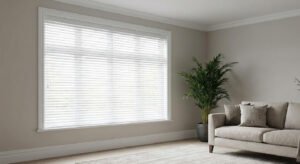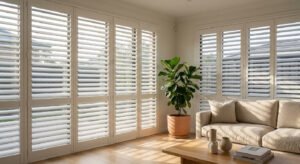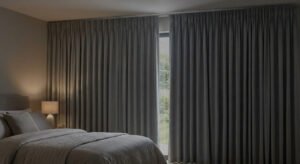
Insulating Blinds: Are Blinds Good for Home Insulation?
Insulating blinds play an important role in improving indoor comfort and energy efficiency—especially in Australian homes exposed to temperature extremes. While many homeowners focus on wall and ceiling insulation, windows remain one of the largest sources of heat loss in winter and heat gain in summer.
This raises a common and practical question: are blinds good for insulation? When chosen correctly, the answer is yes.
How Windows Affect Home Insulation
Windows are one of the most common points where indoor temperature control breaks down. Unlike insulated walls, glass allows heat to move in and out much more easily. During winter, warm air escapes through uncovered or poorly protected windows, making rooms feel colder and less comfortable. In summer, sunlight and external heat pass through the glass, causing indoor temperatures to rise quickly.
This is where the right blinds make a measurable difference. Well-designed blinds create an insulating layer between the window and the room, helping slow down heat transfer. By reducing direct exposure to hot or cold glass surfaces, blinds support a more stable indoor temperature and lessen the workload on heating and cooling systems.
When custom-fitted and paired with the right fabric, blinds become more than a visual feature—they actively contribute to year-round comfort and improved energy efficiency within the home.
Are Blinds Good for Insulation?
Yes, insulating blinds help regulate indoor temperatures by creating a barrier between the glass and the room. They do not replace structural insulation, but they significantly reduce thermal transfer when used correctly.
Insulating blinds work by:
Trapping still air between the window and the room
Reducing radiant heat loss in winter
Blocking solar heat during summer
Minimising temperature fluctuations near windows
Their effectiveness depends on blind type, fabric, fit, and daily usage.
Best Types of Insulating Blinds for Homes
Honeycomb (Cellular) Blinds – Highest Insulation Performance
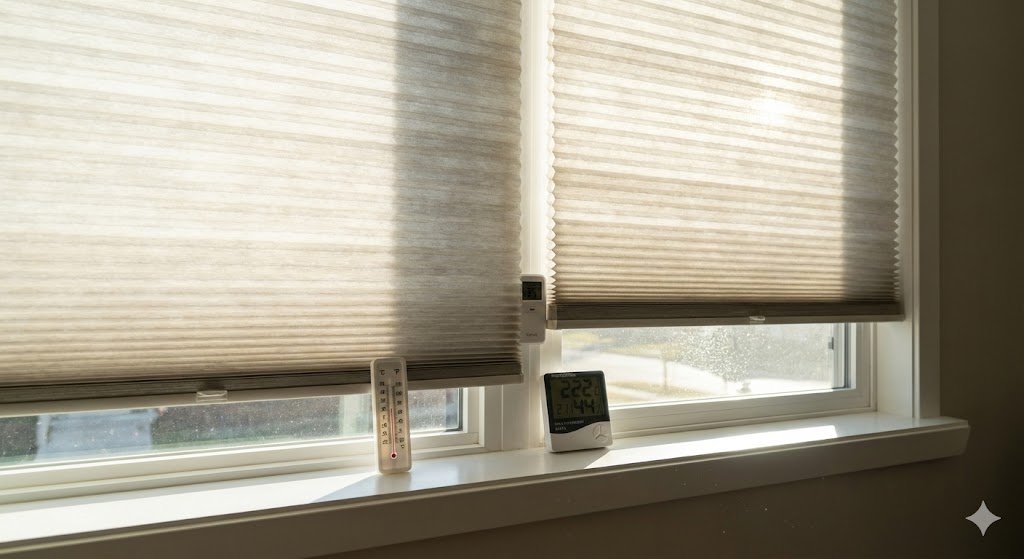
Honeycomb blinds are widely considered the most effective thermal blinds for homes. Their cellular design traps air in structured pockets, forming a natural insulating layer.
Benefits include:
Excellent winter heat retention
Reduced summer heat gain
Improved year-round energy efficiency
Soft, diffused natural light
They are ideal for bedrooms, living rooms, and homes focused on long-term energy savings.
Thermal or Blockout Roller Blinds
Standard roller blinds offer limited insulation, but thermal-backed or blockout versions perform far better.
These energy efficient window blinds:
Reduce heat transfer through glass
Block cold window surfaces in winter
Limit overheating during peak summer hours
When combined with cassette headboxes and close-fitting installation, roller blinds become a strong insulation solution.
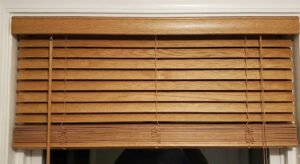
Venetian Blinds and Temperature Control
Venetian blinds offer adjustable light control, but their insulation benefits vary by material.
Aluminium venetians reflect summer heat effectively
Timber and PVC options provide moderate insulation
Best used fully closed during temperature extremes
They are more effective for heat management than cold retention.
Vertical Blinds for Large Glass Areas
Vertical blinds are commonly used on sliding doors and wide windows. While not the strongest blinds for heat and cold insulation, heavier fabrics improve performance.
Best suited for:
Large glazed openings
Controlling solar heat gain
Flexible access and light control
Do Insulating Blinds Reduce Energy Bills?
Insulating blinds can play a meaningful role in lowering everyday energy costs by improving how your home manages heat. When windows are left untreated, heating and cooling systems must work harder to compensate for temperature loss or heat gain through the glass.
Well-designed insulating blinds help by creating a thermal buffer between the window and the room. This reduces heat escaping during colder months and limits excessive heat entering during warmer periods. As a result, indoor temperatures feel more consistent, and reliance on heaters and air conditioners is reduced.
Homeowners who install quality insulating blinds often notice:
More stable and comfortable room temperatures
Less frequent use of heating and cooling systems
Improved comfort in areas close to windows
For best results, insulating blinds should be custom-fitted and selected based on room use, window orientation, and fabric performance. When combined with good installation and everyday use habits—such as closing blinds during peak heat or cold—they become a practical, long-term investment in comfort and efficiency.
Factors That Impact Insulation Performance
Fabric Thickness
Multi-layered, thermal, or cellular fabrics outperform sheer materials.
Fit & Installation
Custom-measured blinds reduce gaps where heat escapes. Recess-fit blinds generally insulate better than loose face-fit designs.
Window Orientation
North- and west-facing windows benefit from heat-blocking blinds, while south-facing windows require better heat retention.
Daily Usage Habits
Closing insulating blinds at night in winter and during peak summer heat significantly improves results.
Final Thoughts
So, are blinds good for insulation? When selected and installed correctly, insulating blinds are a practical, cost-effective way to improve comfort, stabilise indoor temperatures, and support energy efficiency.
For homeowners seeking better thermal performance without major renovations, insulating blinds are not just an accessory—they are a smart upgrade for everyday living.