How Blinds Help Reduce Heat and Energy Bills
Rising energy costs and increasingly extreme weather have made homeowners more conscious of how their homes manage heat. Windows are one of the biggest contributors to temperature imbalance—allowing heat to enter during summer and escape during winter. This is where the right window coverings make a noticeable difference.
High-quality blinds reduce heat and energy bills by controlling sunlight, improving insulation, and helping your home maintain a stable indoor temperature throughout the year.
Why Windows Cause Heat Gain and Heat Loss
Glass transfers heat far more easily than insulated walls. In summer, sunlight passing through windows quickly warms indoor spaces. In winter, heat escapes through uncovered glass, forcing heaters to work harder.
Blinds act as a protective barrier between the window and the room. When selected and installed correctly, they significantly reduce the impact of external temperatures and help maintain indoor comfort with less reliance on heating and cooling systems.
How Blinds Reduce Heat in Summer
Blocking Direct Sunlight
Blinds reduce heat by limiting how much direct sunlight enters the room. Light-filtering, sunscreen, and blockout fabrics are designed to control solar heat while still allowing comfortable light levels.
Closing blinds during peak sun hours—especially on west- and north-facing windows—can dramatically lower indoor temperatures.
Reflecting and Absorbing Heat
Certain blind materials are designed to reflect or absorb heat before it reaches the room. For example:
Light-coloured or reflective fabrics reduce heat absorption
Thermal-backed fabrics slow heat transfer through the glass
This reduces the “greenhouse effect” that often makes rooms feel stuffy during hot days.
How Blinds Help Retain Heat in Winter
During colder months, blinds help keep warmth inside by forming an insulating layer over the window.
Blinds support winter comfort by:
Reducing heat loss through cold glass
Minimising draughts near windows
Creating a buffer of still air between the room and the window
Closing blinds at night helps maintain warmth, making living areas feel more comfortable without increasing heating usage.
Best Types of Blinds for Energy Efficiency
Honeycomb (Cellular) Blinds
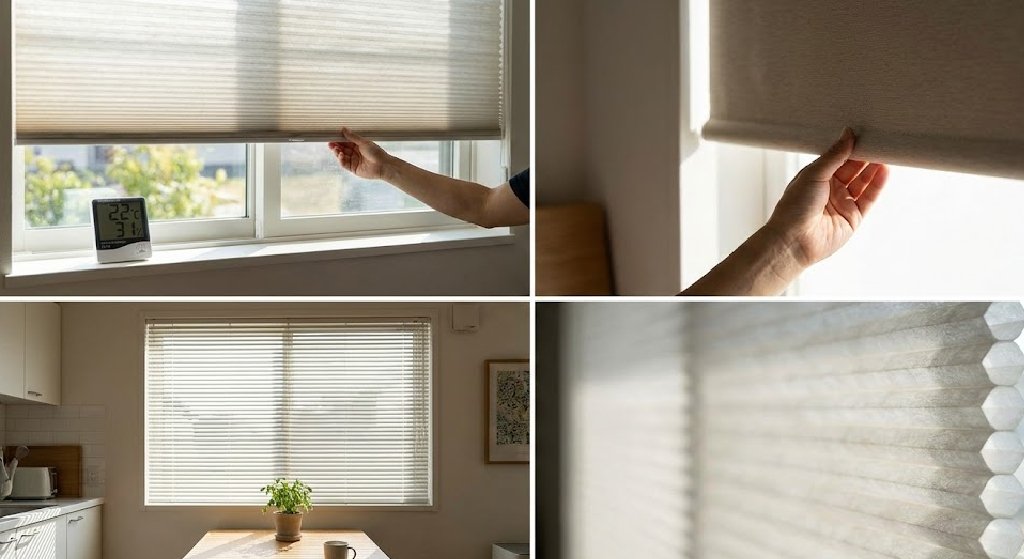
Honeycomb blinds are one of the most energy efficient blinds available. Their cellular design traps air inside structured pockets, creating excellent insulation in both summer and winter.
They are ideal for bedrooms, living rooms, and homes focused on long-term energy savings.
Blockout Roller Blinds
Blockout roller blinds are highly effective at reducing heat and glare. When paired with a cassette headbox and close-fitting installation, they limit heat transfer and improve overall insulation.
They are especially useful in bedrooms and media rooms.
Light-Filtering and Sunscreen Blinds
These blinds allow natural light while controlling heat. They are ideal for daytime use, reducing glare and solar heat without darkening the room.
Perfect for living areas and home offices.
Venetian and Vertical Blinds
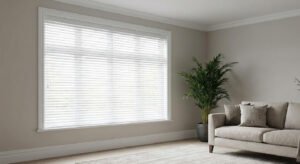
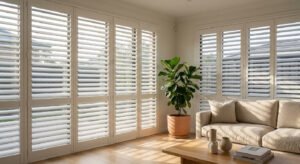
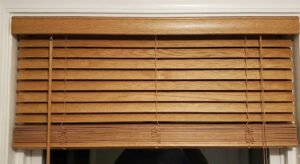
While not the most insulating option, adjustable slat blinds allow homeowners to control sunlight direction and airflow, reducing heat build-up when positioned correctly.
They work best when combined with other insulation strategies.
Do Blinds Really Lower Energy Bills?
When blinds reduce heat entering the home in summer and prevent warmth escaping in winter, heating and cooling systems run less frequently. Over time, this reduced usage can translate into lower energy bills.
Homeowners often notice:
More consistent indoor temperatures
Reduced reliance on air conditioning and heaters
Improved comfort in rooms with large windows
The key is using the right blinds in the right locations—and using them strategically throughout the day.
Tips to Maximise Energy Savings with Blinds
Close blinds during peak summer heat
Open blinds during winter days to let sunlight warm the room
Close blinds at night to retain heat
Choose custom-fitted blinds to minimise gaps
Select fabrics suited to each room’s sun exposure
Small daily habits combined with the right blinds can deliver long-term comfort and savings.
Tips to Maximise Energy Savings with Blinds
Blinds are more than decorative window coverings. When chosen carefully, blinds reduce heat and energy bills by improving insulation, controlling sunlight, and supporting a more comfortable indoor environment.
For homeowners looking to improve comfort without major renovations, energy-efficient blinds are a smart, practical investment that pays off all year round.